Invasive Matters
Overview
Invasive Matters advances a climate-adaptive, circular manufacturing model by transforming invasive plant biomass into high-performance, non-toxic bio-materials for architecture and design.

Globally, invasive plant species generate vast quantities of biomass that are typically burned, landfilled, or chemically. Invasive Matters repositions this destructive abundance as a renewable material resource. The project integrates ecological protocols for invasive species removal with regenerative native planting strategies, establishing a material cycle that mitigates ecological damage while strengthening ecosystem resilience.
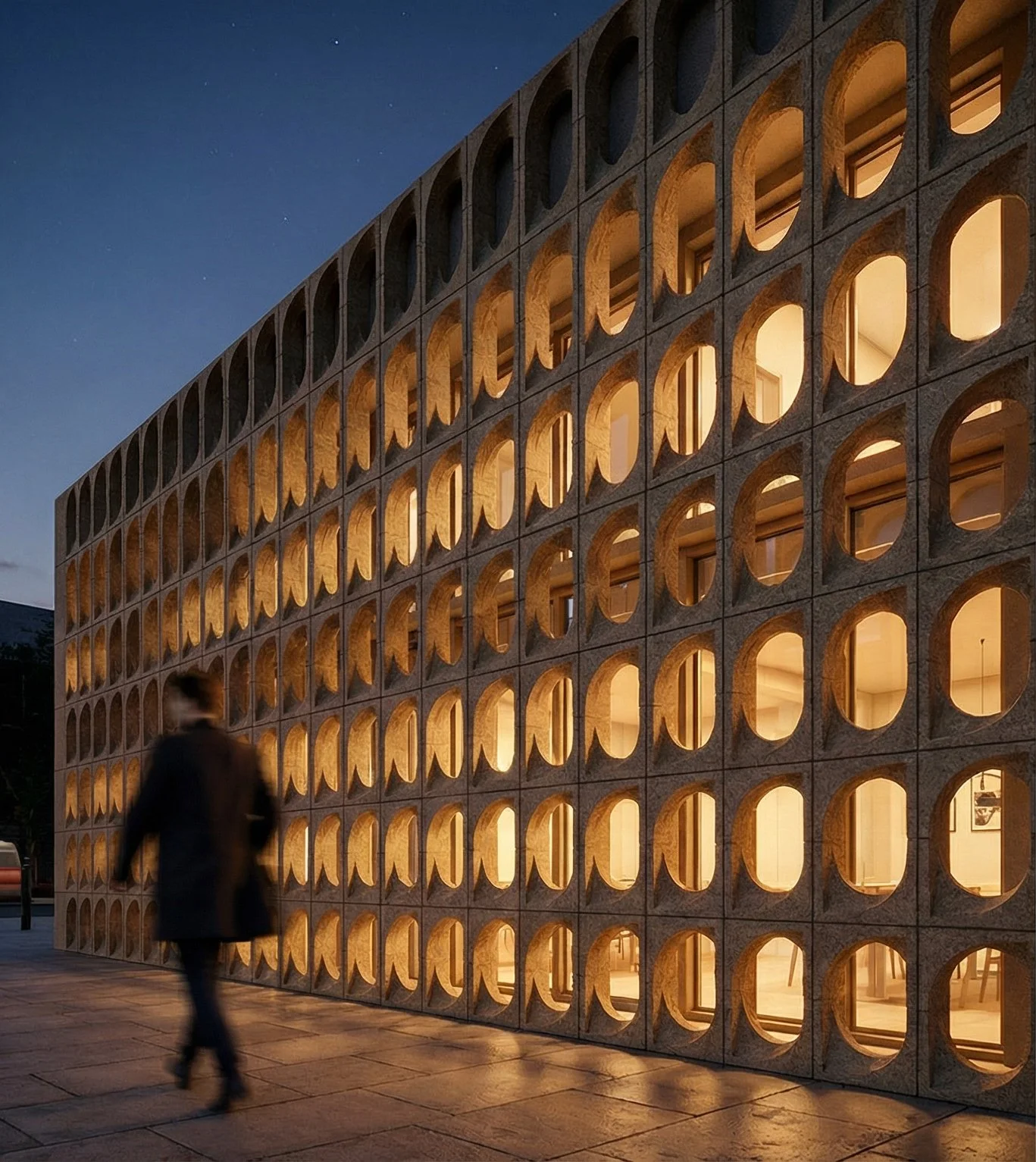
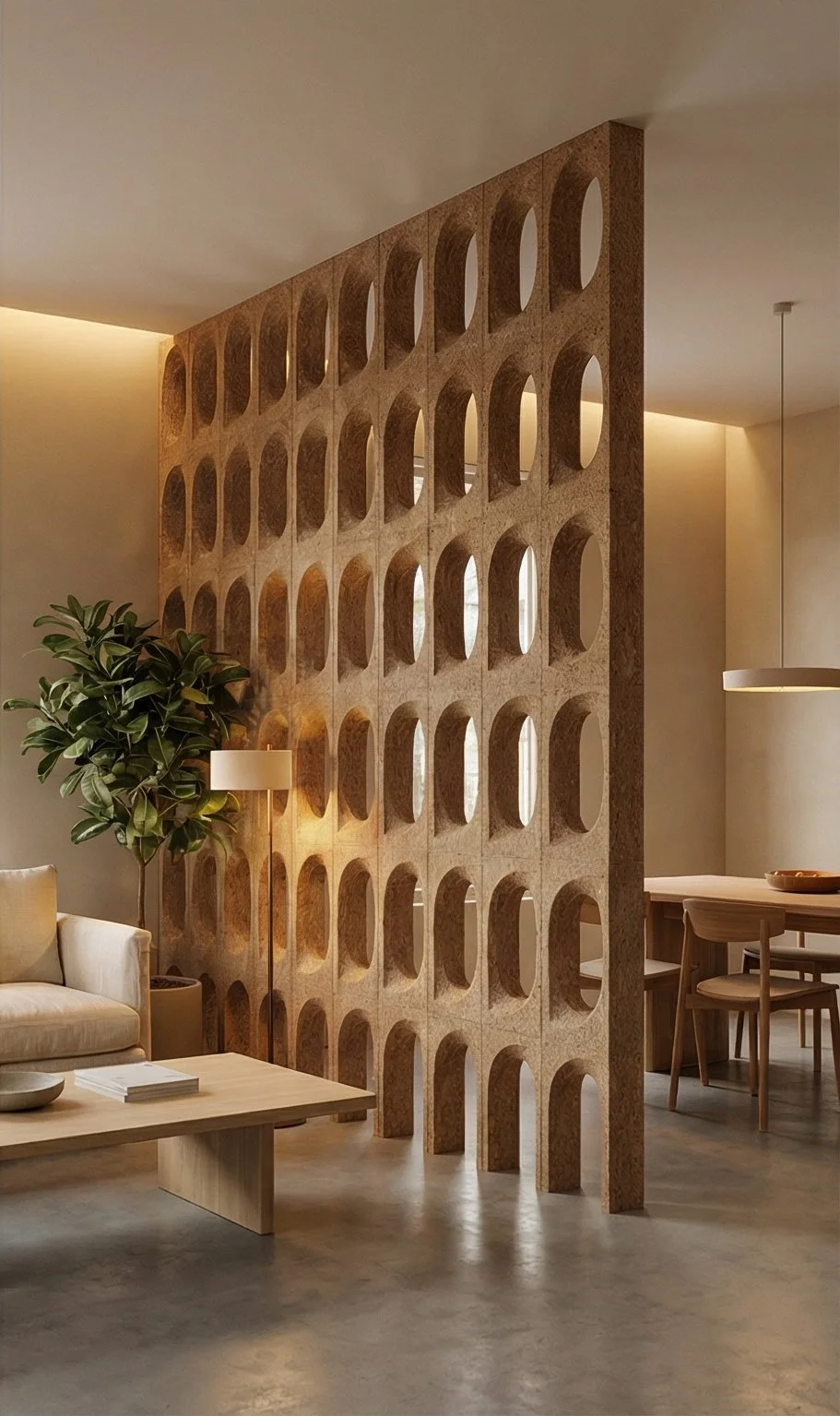
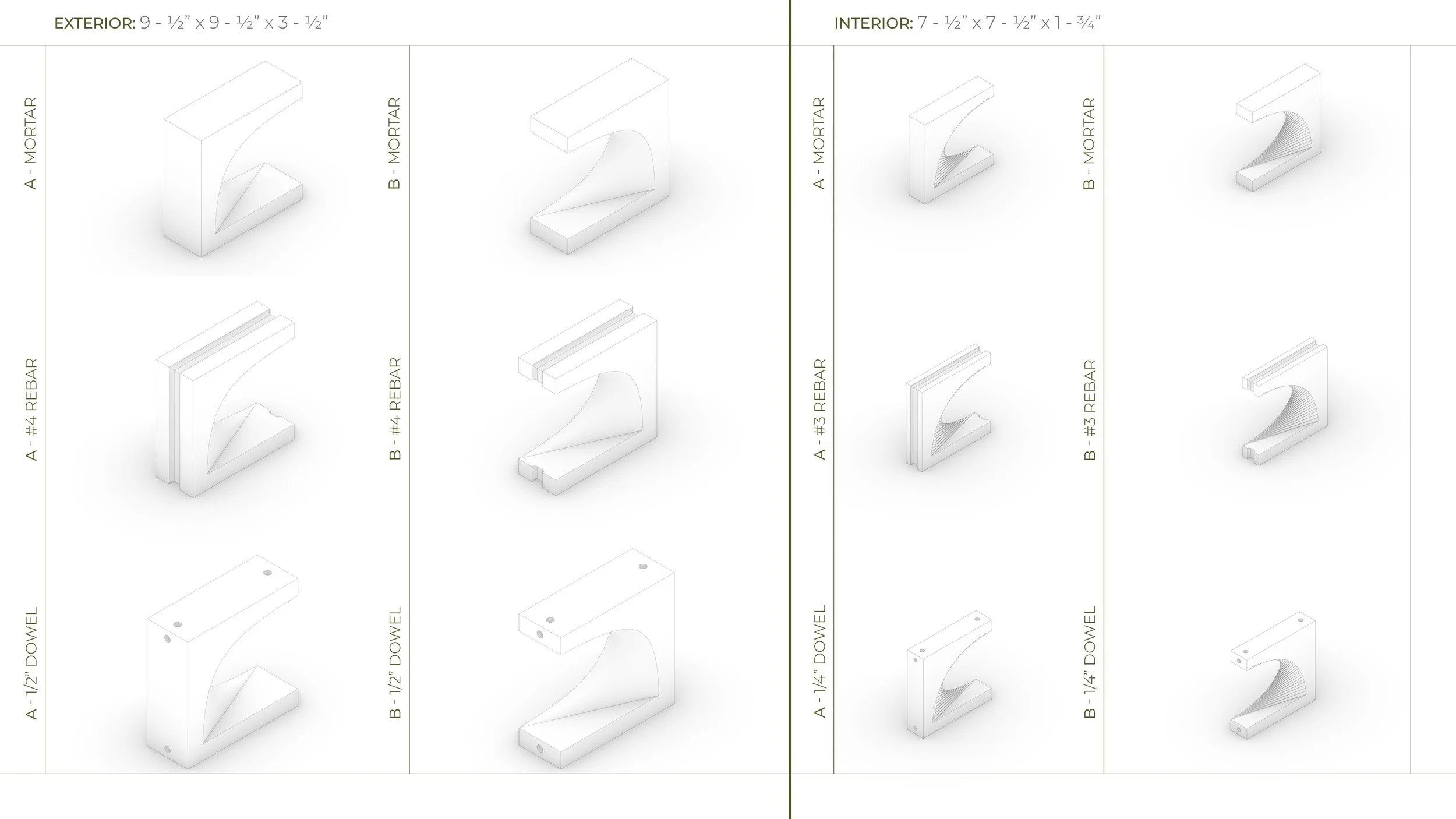
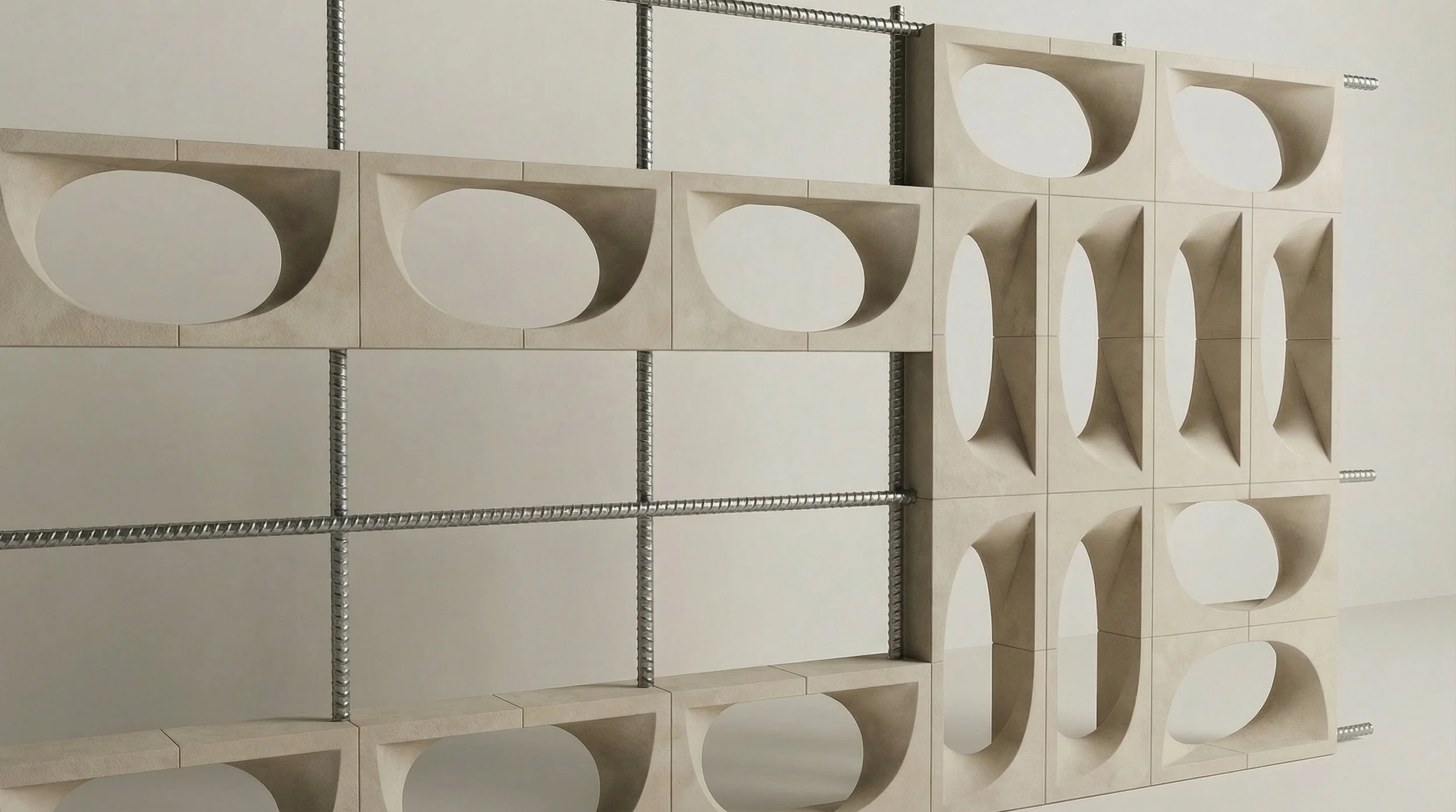
The harvested biomass is processed into bio-based composite materials that form modular architectural components. Existing prototypes include 3D structural blocks, tiles, and brick systems, as well as a natural bio-based mortar designed to bind and assemble units without synthetic adhesives. The prototypes demonstrate a modular material system capable of supporting interior architecture, acoustic surfaces, and lightweight construction applications.

Through iterative fabrication, testing, and hands-on prototyping, the project investigates how invasive plant fibers can be transformed into durable composite structures while remaining fully non-toxic and biodegradable.

By diverting biomass waste streams and reducing reliance on extractive, carbon-intensive materials, Invasive Matters establishes a pathway for decentralized, regionally sourced manufacturing rooted in ecological stewardship. What is currently treated as ecological waste becomes the foundation for regenerative building materials—transforming environmental liability into scalable climate infrastructure.

For the Parsons X Impact exhibition, existing prototypes fabricated from Japanese Knotweed, one of the most widespread invasive plant species globally, will be assembled into a freestanding column approximately 18” × 18” × 40”. The installation demonstrates the material's structural logic and modular stacking system, translating ecological research into a compact architectural form.

The column functions as a built material study, allowing visitors to experience the lightweight composite in spatial form. Additional material samples, dimensional prototypes, and printed documentation of the research, material development, and fabrication process will supplement the exhibit.

Meet the Creator
Ashli Watson
MFA, Industrial Design